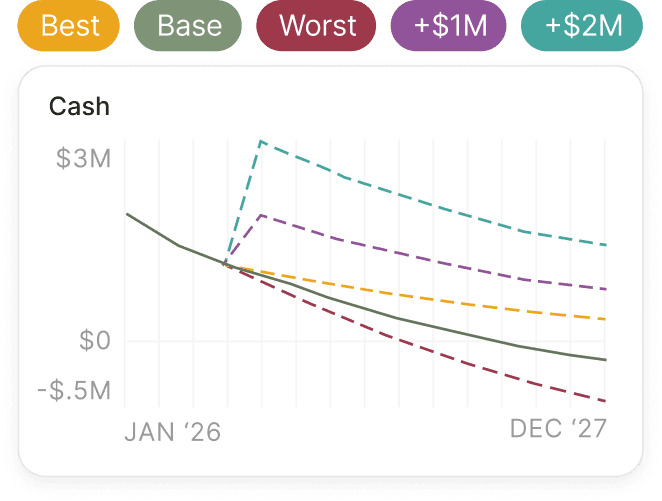
Scenario modeling
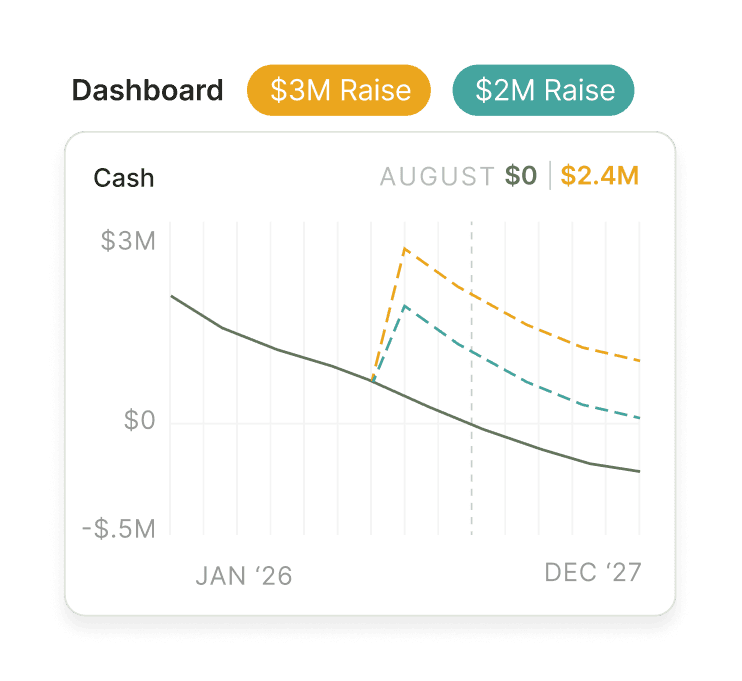
Run different raises as separate scenarios. Layer post-raise spend, hiring, and growth assumptions, then compare what each version of the round actually buys.
Learn More about Scenario modelingParallel turns your operating model into a raise plan you can share, defend, and update through the close. Model the round, see what each amount actually buys, and walk in with numbers that hold up to investor scrutiny.
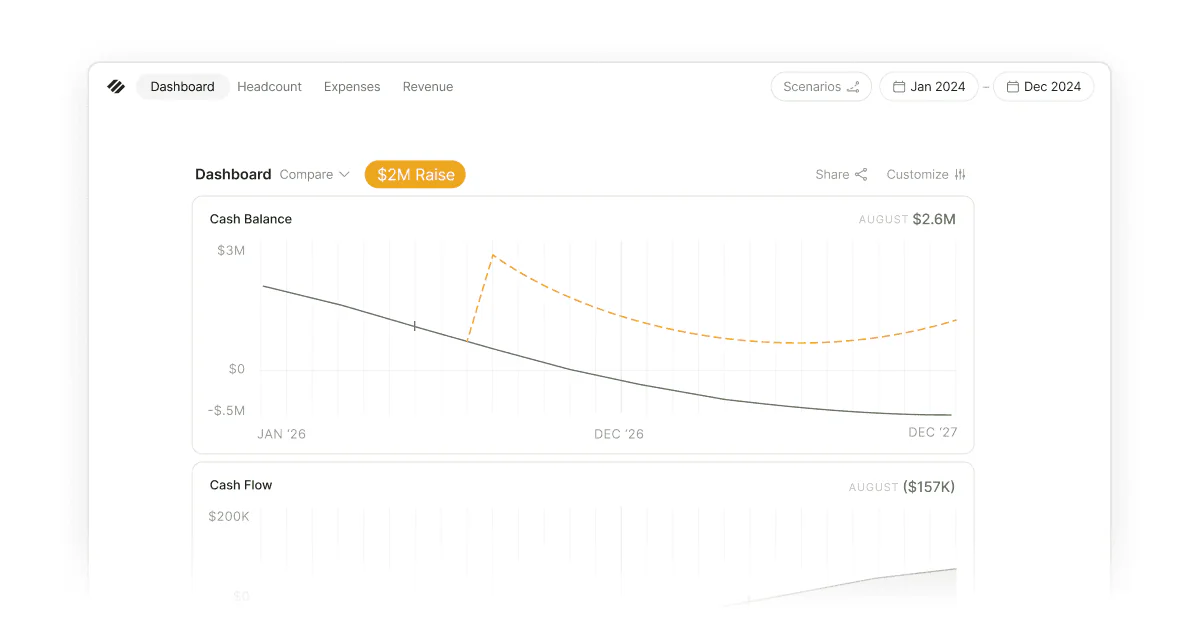
Most founders focus on how much they can raise. The more important question is: How much do you actually need?
How much runway will the round buy? Which key hires will it fund? What goals should you reach before the next raise? What happens if growth is slower than expected?
Those answers come from a bottom-up operating plan, not a valuation discussion.
The strongest fundraising models start with realistic assumptions based on current performance. Growth scenarios can help frame potential outcomes, but your base plan should be grounded in proven trends, not optimistic projections.
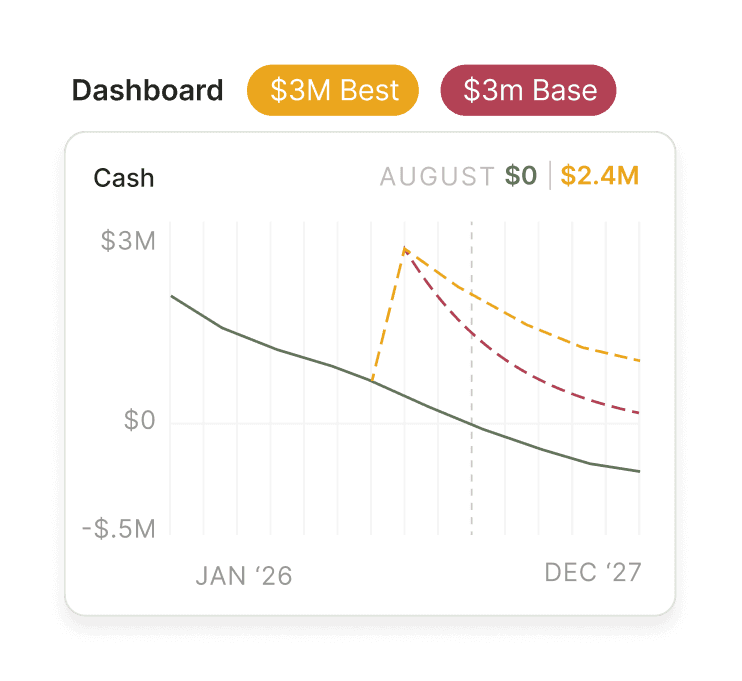
Planning for both the floor and the ceiling gives you a clearer view of what's possible—and what needs to happen to achieve it. If your plan only works when every assumption goes right, it's not a fundraising strategy—it's a best-case scenario.
Layer round size, close date, and post-raise spend as a scenario on top of your live model. See the runway each version buys and the milestones each one reaches.
Create and pressure-test multiple raise scenarios side by side. See how each round affects runway, hiring, and milestones before you commit to a target.
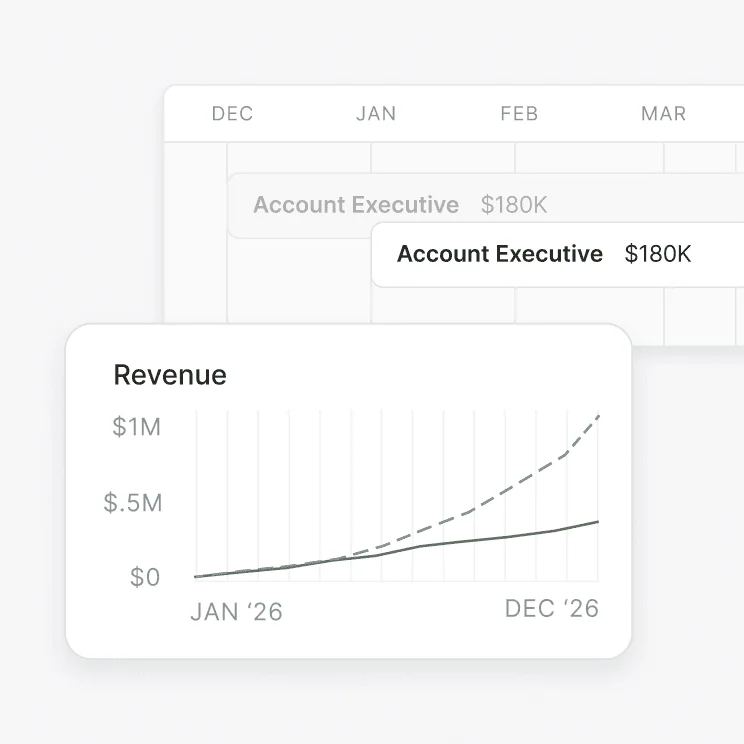
Build the base case around growth that's actually happening. Layer optimism as a separate scenario you can show, pressure-test, and live without if it slips.
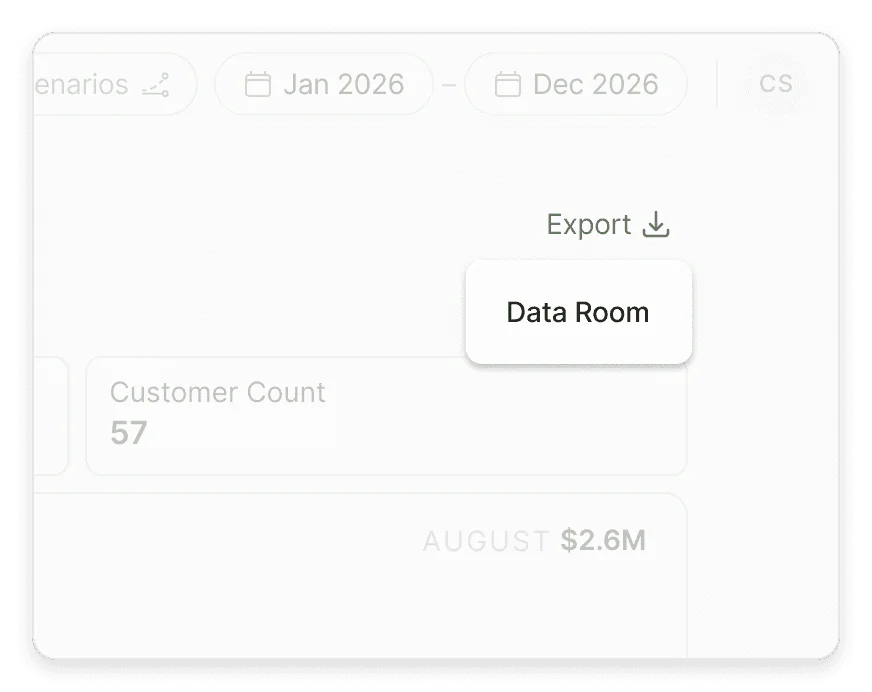
Export your three-statement model, cash flow projection, supporting reports, and a clean read-only snapshot the moment you're ready to share.
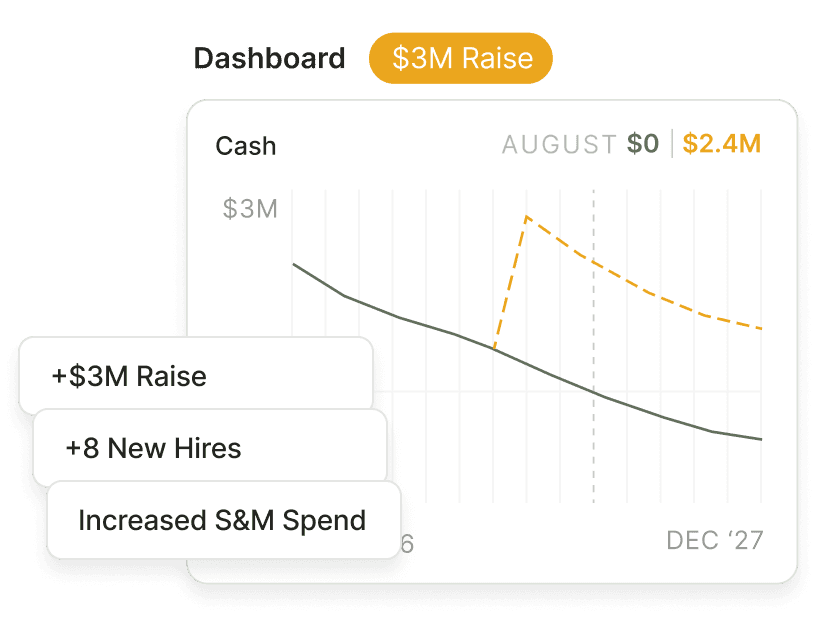
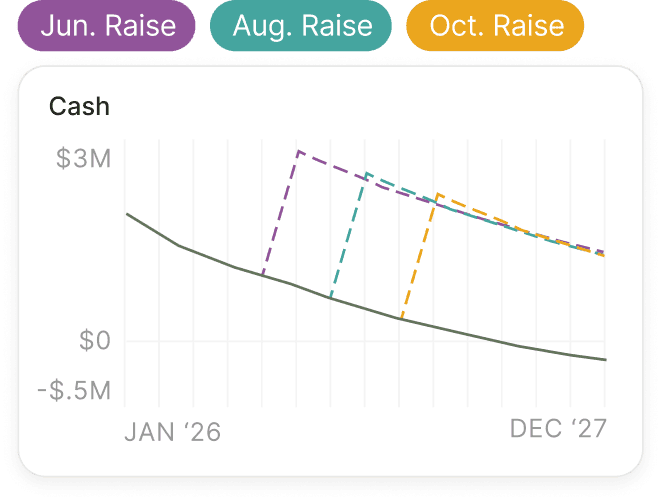
The founders who get the best terms are the ones who can walk away. Starting early gives you time to evaluate investors, negotiate from a position of strength, and adjust your plans if the process takes longer than expected. Waiting until cash becomes an immediate problem removes those options — and your leverage.
Budget about four months to close a round, and add at least a month of prep before you take the first meeting. Assume your effective runway is a month or two shorter than your model says, because something will inevitably slip. Then work backwards from there. If you want a buffer, start the process at least eight months before your runway is expected to hit zero.
Have diligence-ready financials before the first meeting
Parallel handles most of the financial materials investors expect so none of these become a panic project the week before you start meetings.
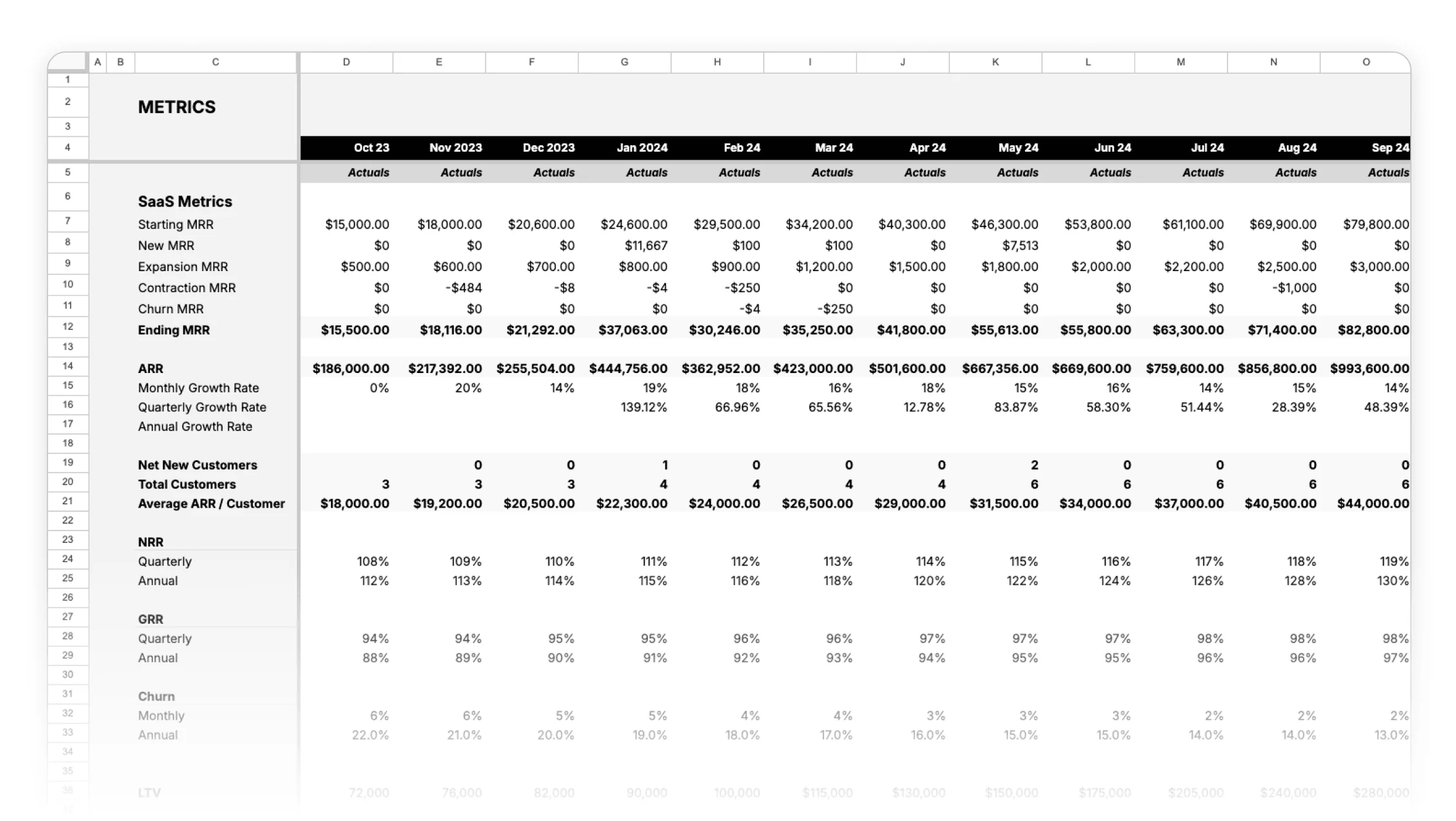
P&L, balance sheet, and cash flow, all auto-built from your accounting and updated through close
Locked values for the periods that have closed
The forward plan, plus alternative scenarios you'd defend if asked
ARR, growth, gross margin, NRR, burn multiple, CAC payback. How you actually talk about the business.
You’ll need to pull it from wherever you store your equity and customer data since this isn’t in Parallel.
Run different raises as separate scenarios. Layer post-raise spend, hiring, and growth assumptions, then compare what each version of the round actually buys.
Learn More about Scenario modeling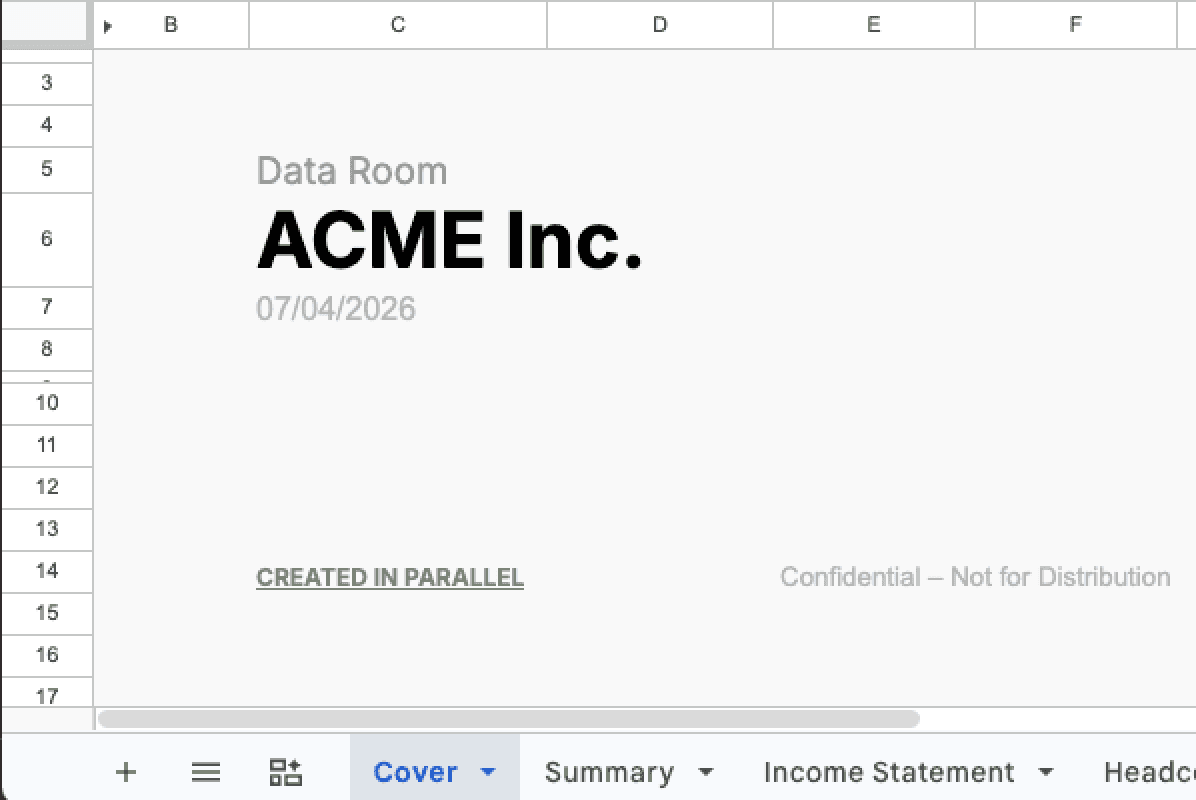
Generate investor-ready financial reports directly from your model, with historical actuals separated from forecast assumptions and scenarios. Export a locked version of your data room for potential investors.
Learn More about Reporting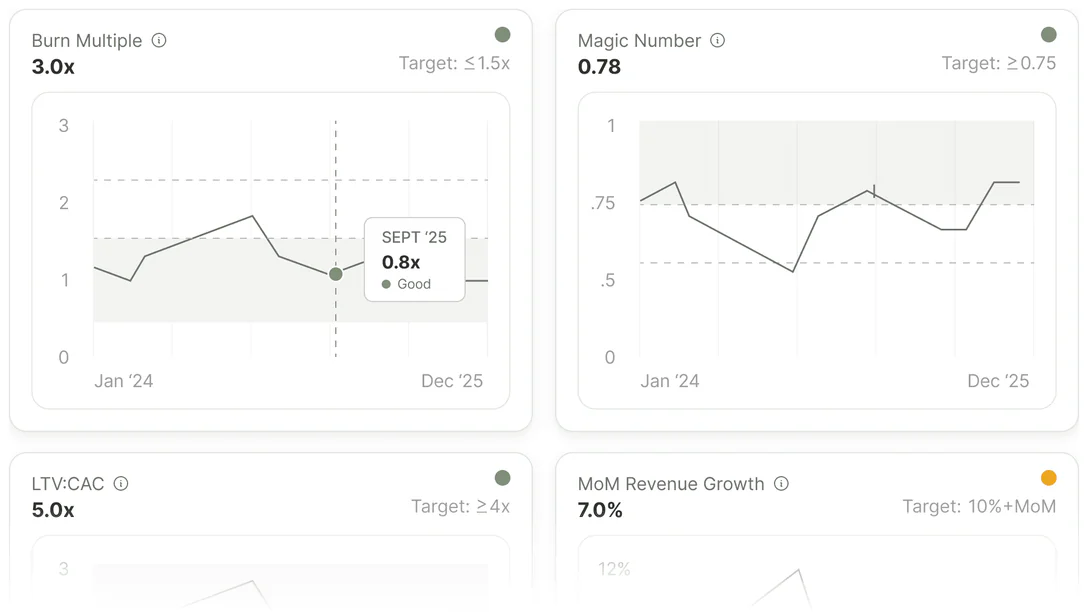
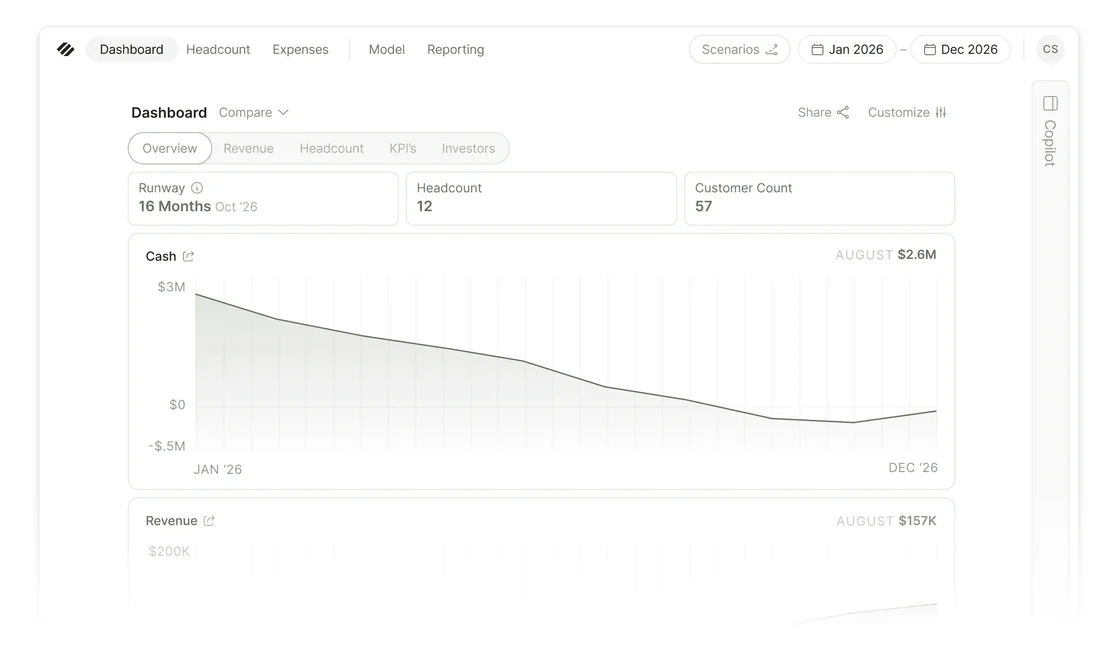
The metrics every Series A gets asked about, surfaced live as your numbers update: ARR, growth, gross margin, NRR, burn multiple, CAC payback, and more.
Learn More about Dashboards and metrics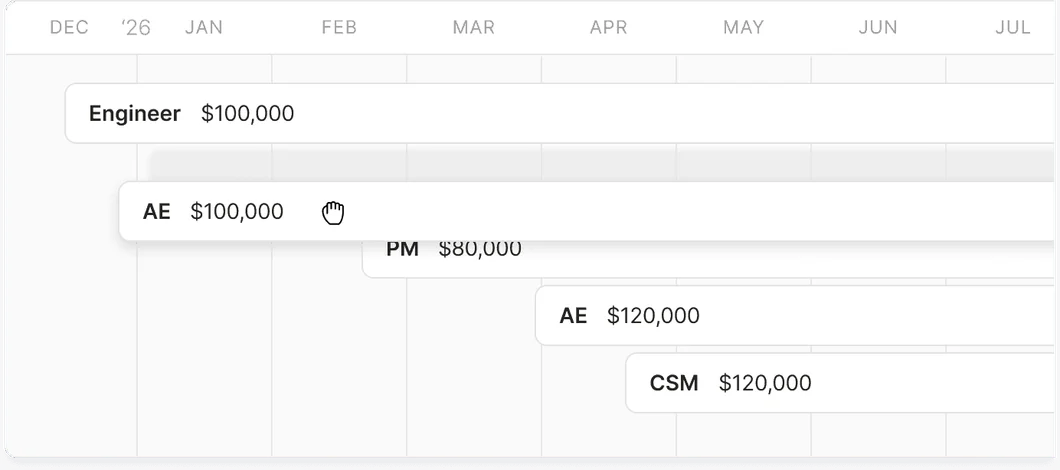
Model the hires the round will fund, including rule-based headcount that scales with the business you're pitching. The hiring plan in your deck and the hiring plan in your model match perfectly.
Learn More about Headcount
We knew we needed to get our data room in shape, fast!
Parallel made organizing and presenting our financial data feel like something we were in control of and in a way that was clean, digestible, and actually shareable.

Atul Raghunathan
Founder @ Hyperbound
Use Cases
Parallel gives you the confidence to tackle the most critical financial questions in your startup
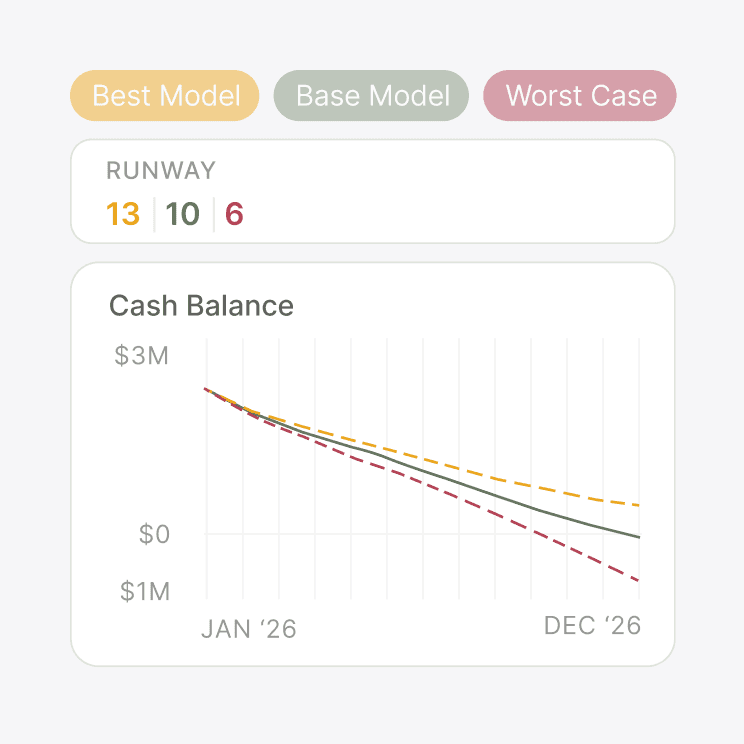
Know your runway the moment your data changes, with full visibility into what moved the needle.
Learn More about Runway clarity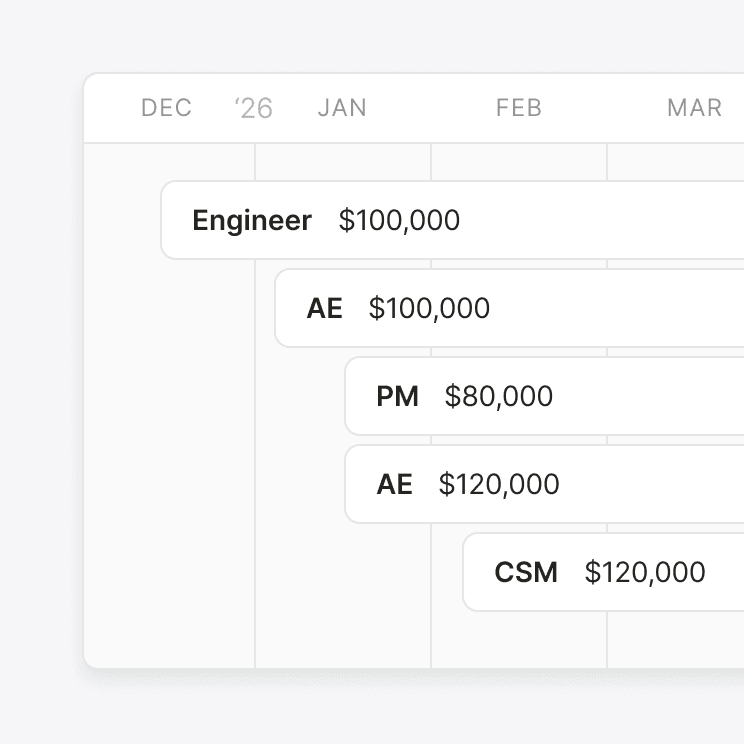
Understand if you can really afford a hire, and what needs to be true for that hire to be successful
Learn More about Headcount planning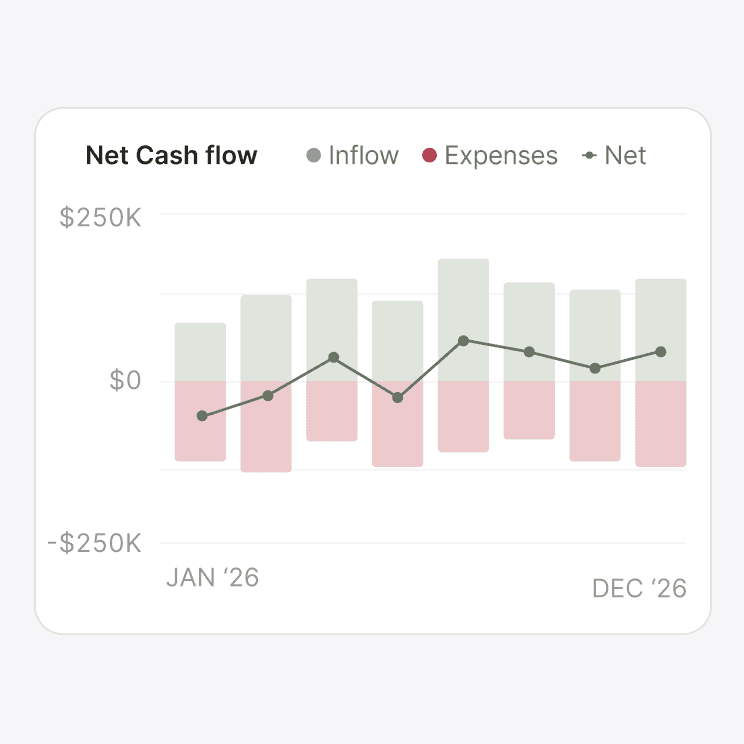
How much cash will you have in the bank and what levers do you have to change that.
Learn More about Cash flow managementStart with what the business needs to accomplish before the next round. Model the hires, investments, runway, and milestones required to get there, then compare that number against what the market is likely to support. Parallel helps you evaluate different raise amounts and understand what each one actually buys.
At least eight months before your runway model says you’ll hit zero. You’ll need four months to close, plus a month of prep — start any later and you'll be raising on someone else's timeline, with less leverage than you’d have if you started earlier.
That's the best position to be in. The point of cash flow planning is that you're ready before you need to be. The story you tell investors gets easier when the numbers behind it have been true for two quarters before you walk into the room.
Your three-statement model (P&L, balance sheet, and cash flow), historical actuals, the forward forecast, supporting scenarios, and key metrics. Cap table and customer data will come from your equity and CRM tools, respectively.
Parallel gives you the confidence and clarity to tell a stronger story for investors. The model Parallel builds for you is the defensible proof behind your story: what’s already true, what’s been growing, and the impact your decisions will have on the future of the company.
Parallel helps you connect round size, runway, hiring plans, and growth milestones into a raise strategy you can confidently defend
Start Your Free Trial15-day free trial. No credit card required.