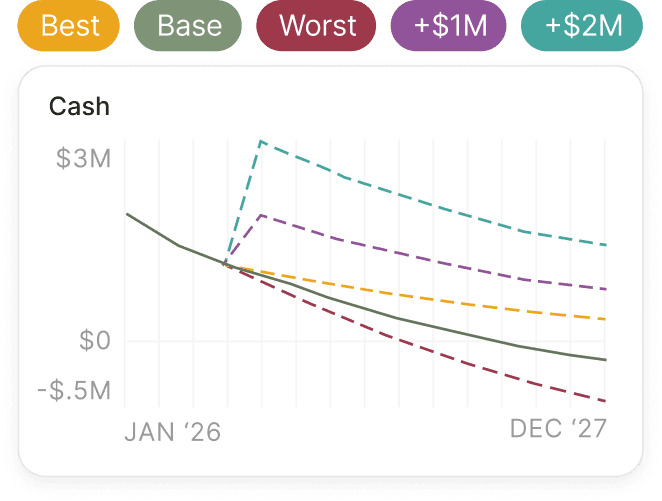
Scenario modeling
Model "what if we raise" alongside "what if we don't." Layer hiring plans, revenue assumptions, or churn changes and see exactly which curve each path produces.
Learn More about Scenario modelingStop running on rough estimates and start operating with clarity. Parallel connects your accounting, headcount plan, expense forecasts, revenue assumptions, and churn into one live runway picture.
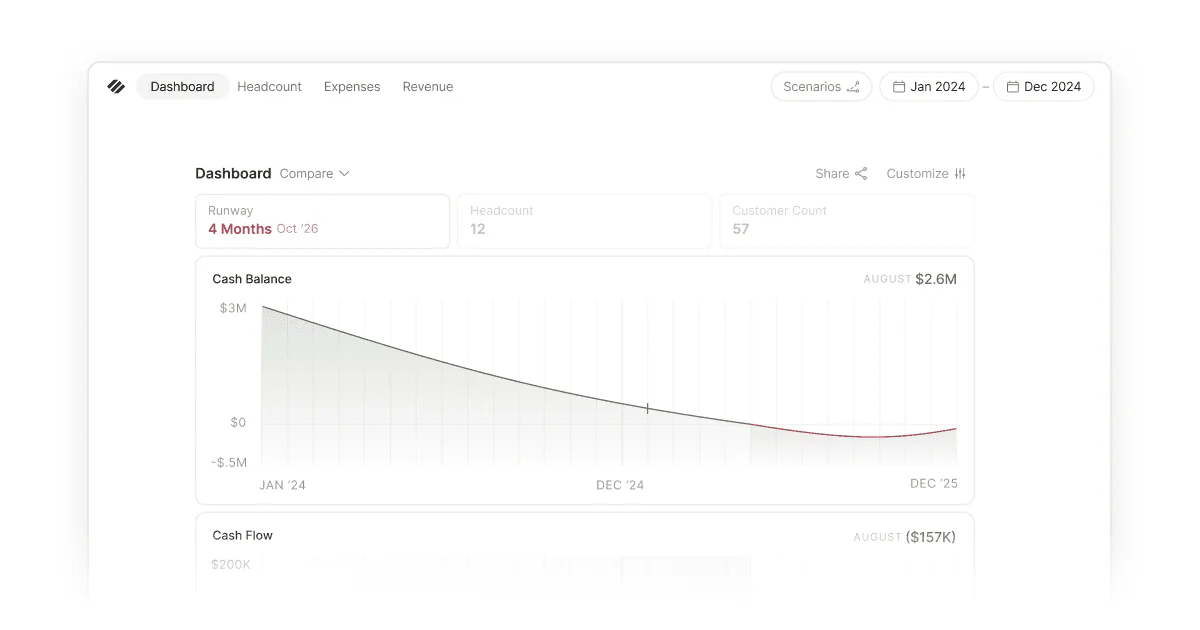
Most founders calculate runway the same way: cash in the bank divided by what you burned last month. You get a clean number, and on the surface it feels like clarity.
The problem is the lack of depth underneath. The standard formula leaves out a lot: the hires you're about to make, COGS that scale with revenue, cash collections that lag by a quarter, annual payments that all land at the same time of year. None of it shows up in cash divided by burn, so the picture you're working from is missing several inputs that actually move it.
This is why runway often feels shorter than you anticipated, and this is how miscalculations can leave you scrambling for more capital before you’re really ready…
Integrate Parallel with QuickBooks Online or Puzzle. Your cash flow forecast syncs automatically, and your runway updates with every actual that comes in.
Adjust an expense, revenue assumption, churn rate, or new hire start date and your runway recalculates so you can see the exact impact.
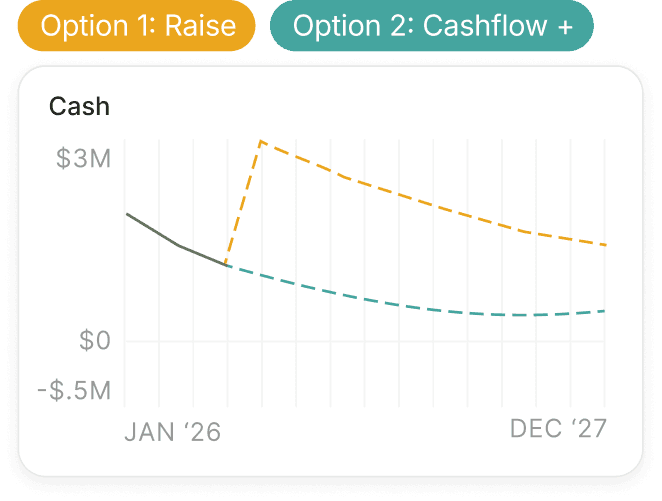
Run a "what if we raise" scenario alongside a "what if we don't," or layer in different hiring plans. You can see every curve at once and pick the one you can support.
Define the floor and know what you'd do about it. The worst case feels infinite when it isn't modeled. Make it finite, and the decisions get easier.

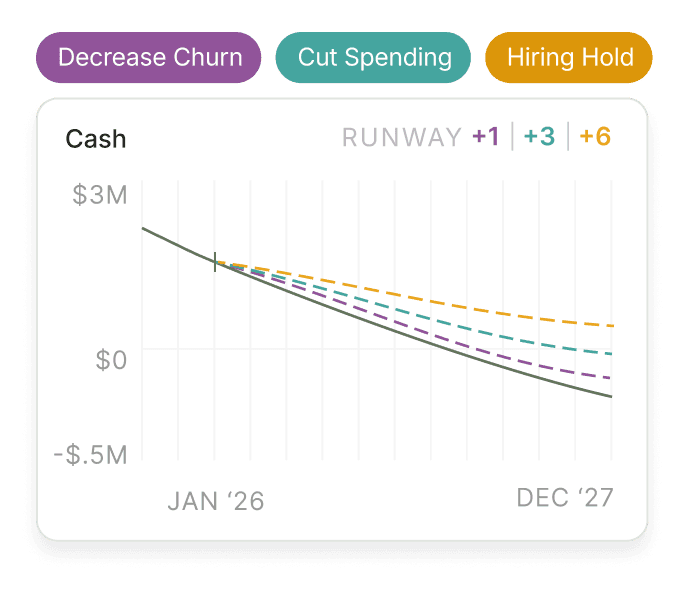
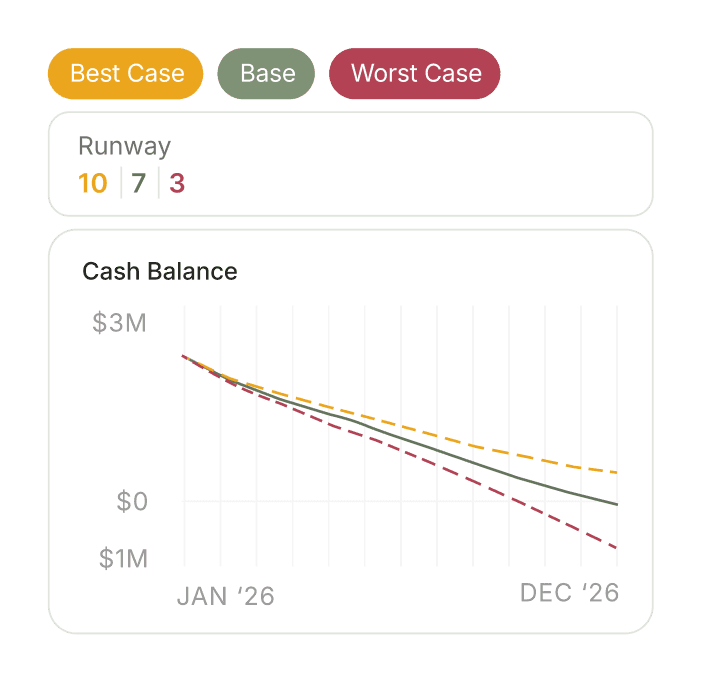
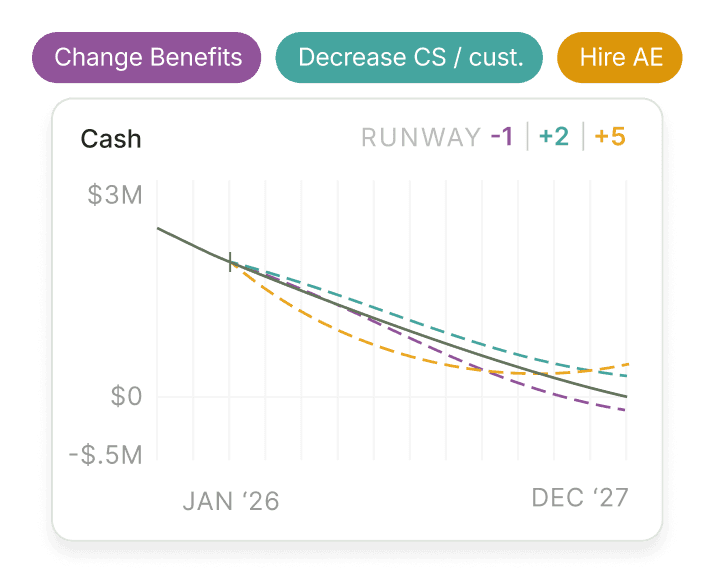
The standard cash-divided-by-burn formula hides what's happening underneath. A 10% bump in spend looks small in month one — but by the end of the year, it's the difference between raising on your terms and raising in panic. And a small uptick in churn that feels manageable today can subtly shorten your runway by months. These impacts aren’t intuitive when you're staring at a single number.
The reverse is just as real. Push one hire by a quarter, close one more deal next month, or trim a category that wasn't paying off and the curve bends back. Founders don't intuitively think in compounding terms — which is exactly why you need to see the curve, not just the number. Once you see your runway more clearly, the small decisions stop feeling small.
Model "what if we raise" alongside "what if we don't." Layer hiring plans, revenue assumptions, or churn changes and see exactly which curve each path produces.
Learn More about Scenario modeling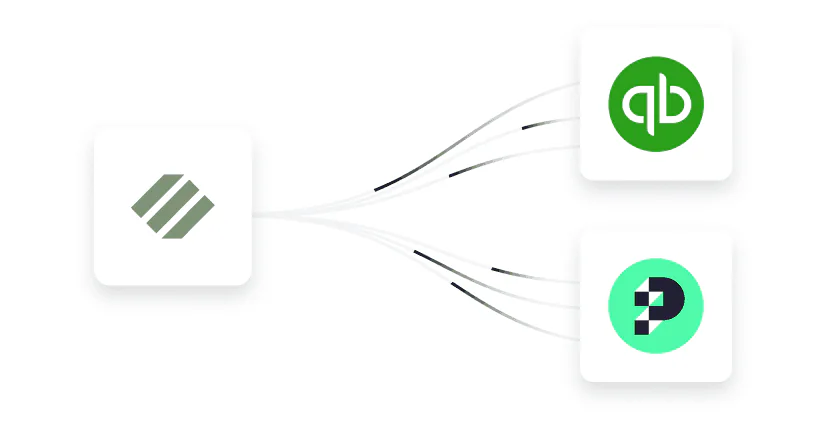
QuickBooks Online and Puzzle sync your actuals automatically. Your runway curve updates as new actuals come in so you never have to do manual imports.
Learn More about Live integrations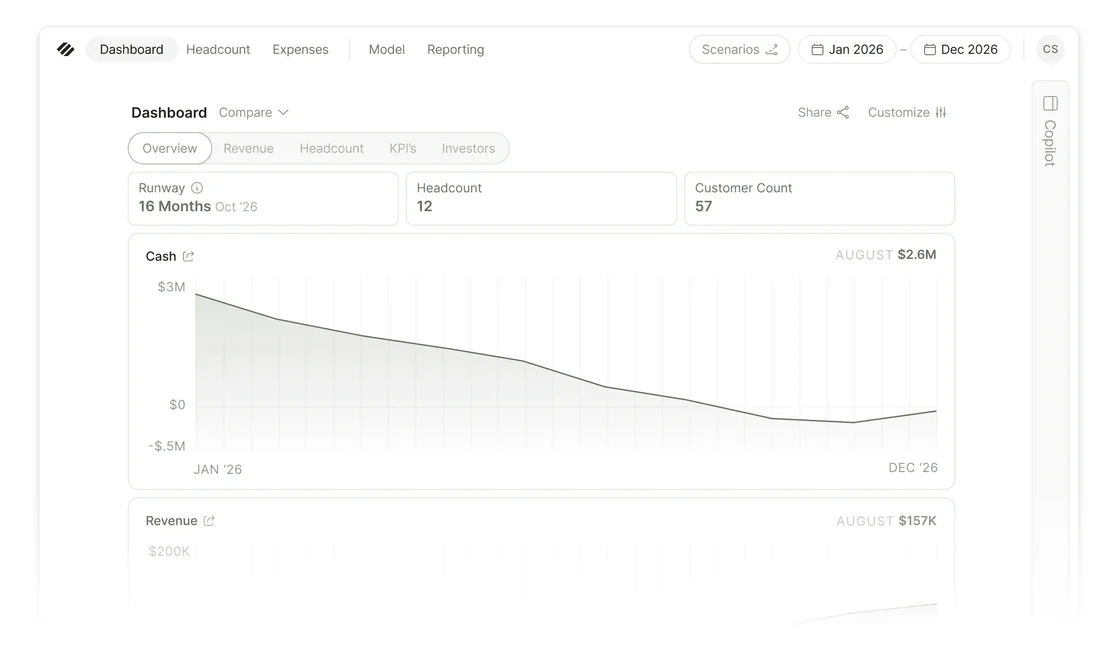
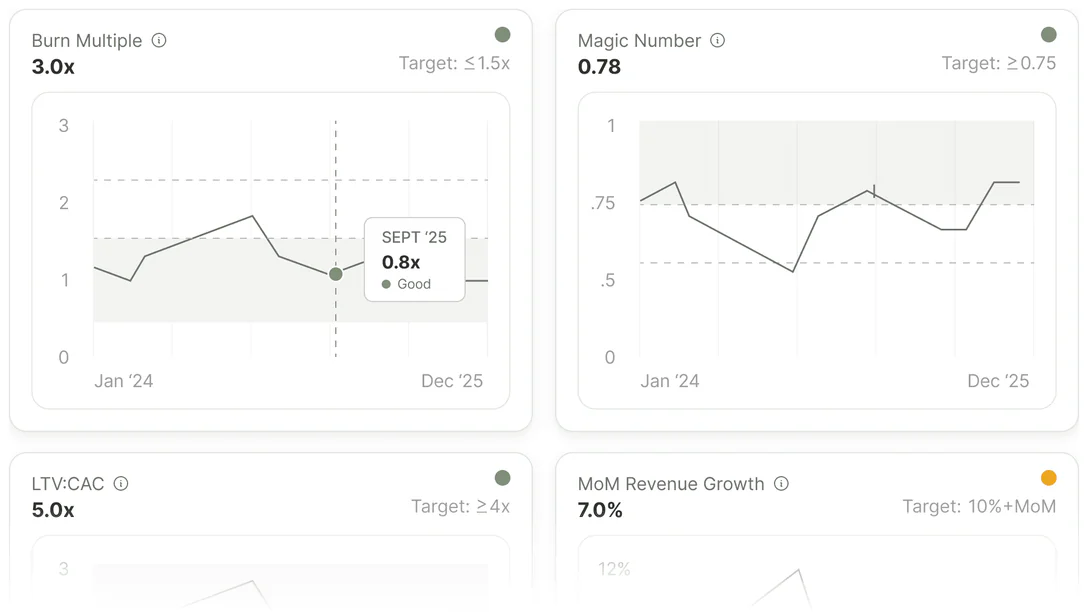
Runway, burn, burn multiple, and SaaS metrics, surfaced live as your numbers update. Share stakeholder-specific views with your team and board.
Learn More about Dashboards and metrics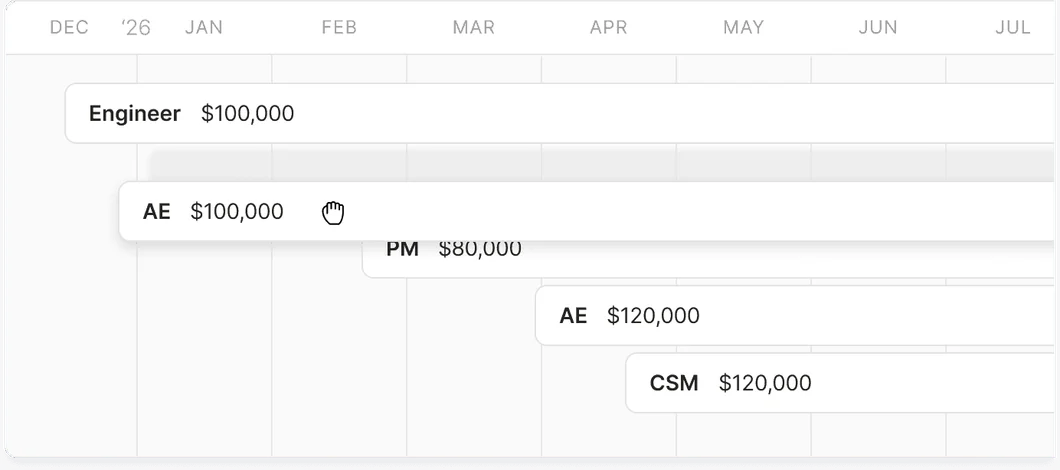
Each role is modeled with the full loaded cost, plus rule-based headcount that scales with your business. Every hire bends the runway curve so you can see the impact before you commit.
Learn More about Headcount
I never have to worry about Runway and can instead focus on building and selling product while making sure that we are ready to adapt.

Cairo Murphy
CEO @ Stratus
Use Cases
Parallel gives you the confidence to tackle the most critical financial questions in your startup
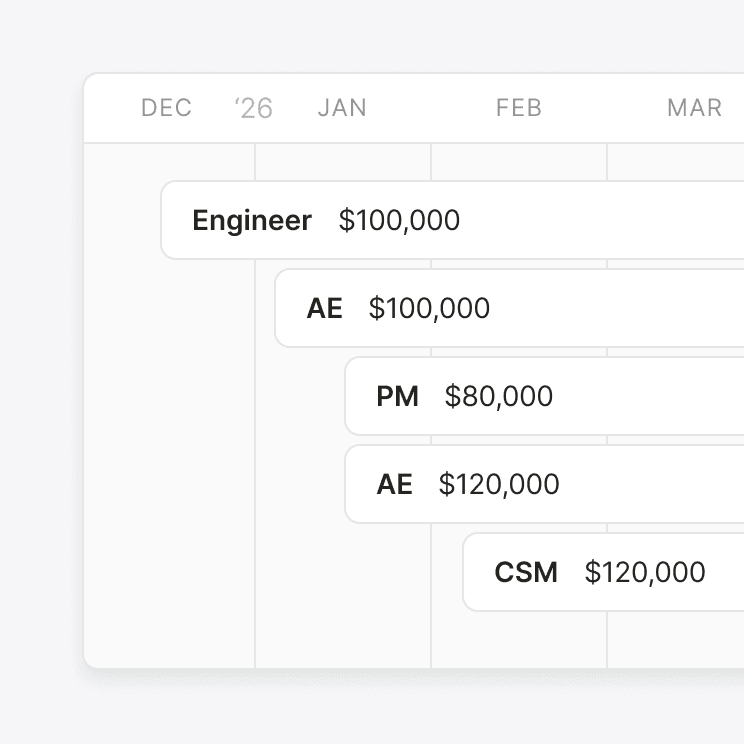
See the cost, runway impact, and upside of every hire.
Learn More about Headcount planning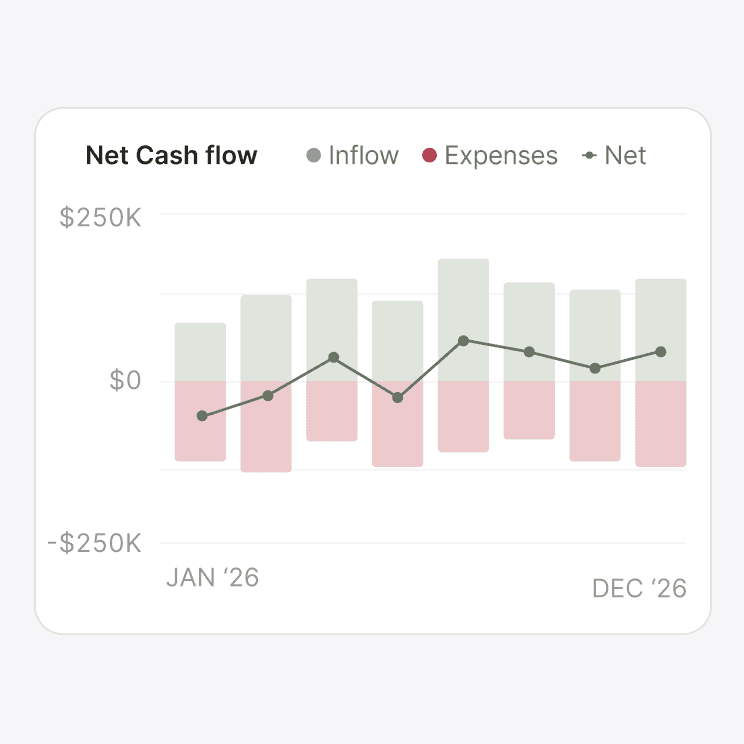
Visualize how the timing of incoming cash impacts runway and your projected cash-zero date.
Learn More about Cash flow management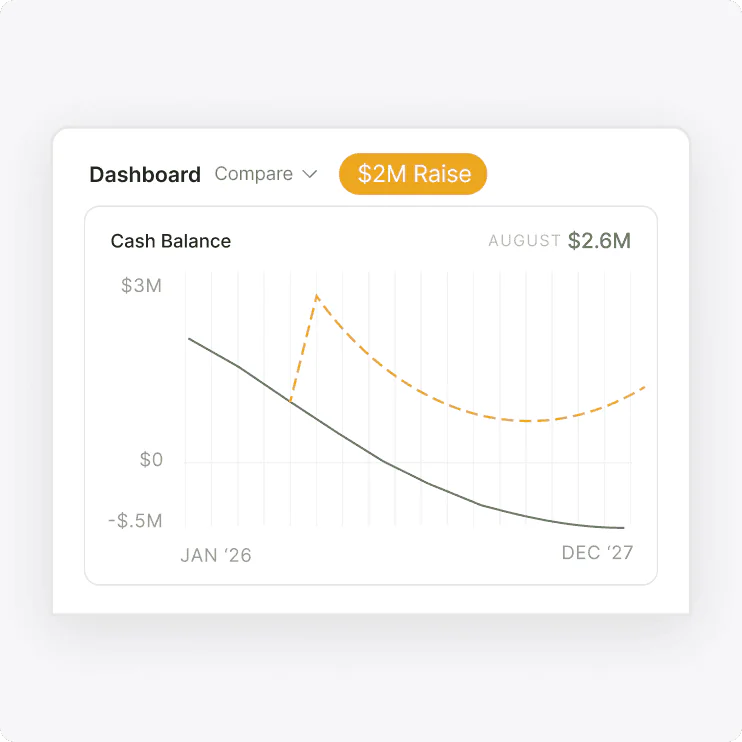
The best fundraising decisions start with a clear understanding of your runway.
Learn More about Fundraising prepParallel projects your cash position forward using your real actuals (synced from QuickBooks Online or Puzzle), hiring plan, expense forecasts, revenue assumptions, and any scenarios you're running. It's a roll-up of every input that touches cash, including your burn rate as it changes month to month.
Accurate enough to make decisions against. The forecast is grounded in your real accounting data and the assumptions you set. As actuals come in, the forecast updates and you see exactly where reality is diverging from your model.
Most seed and Series A founders target 18-24 months of runway after a raise. The cushion often matters more than your target: You want to start your next raise at least eight months before your runway hits zero — which means you should develop your runway target by working backward from your raise plan rather than doing the opposite.
A fractional CFO usually gives you a runway number after each monthly close. Parallel gives you a live curve, plus the scenarios on top of it. Ideally, Parallel and your CFO work together: Parallel handles the math and your CFO brings judgment.
If you have a few months of expenses, payroll, and accounting data, Parallel works. Pure pre-product, pre-expense companies are too early because Parallel needs some actuals to build on.
Replace theory with clarity. See your live runway curve and the scenarios and assumptions that change it.
Start Your Free Trial15-day free trial. No credit card required.