Results at a Glance
Entered Series A fundraising with clear, diligence-proof financials
Replaced rough estimates with a consistent view of runway and burn
Understood how hiring, contracts, and spend affected fundraising timing
The Situation
Rachit Kataria knew roughly what was in the bank and what salaries cost. Beyond that, the numbers were based on rough estimates.
“I knew how much we burned last month, how much was left in the bank and could get a rough runway number, but beyond that it was hard to get answers”
The Trigger
Series A conversations were starting. At that point, rough estimates around hiring and runway weren't enough.
Fundraising is not just picking a number between one and five million. It requires explaining why that number makes sense, how long it lasts, and what it unlocks. Investors were going to ask basic questions, and Rachit needed answers he could stand behind.
Where Things Broke Down
Napkin math worked when decisions were smaller. Over time, costs became less predictable. Usage-based spend and onboarding expenses showed up unevenly. A bulk purchase made months earlier could throw off the entire runway calculation.
“If I did a bulk purchase 6 months ago and forgot about it, I might not be factoring that expense in the future. But we also have another large contract coming in, so how do I track all of this?”
There are just so many things to consider I needed to have confidence in my model and as fast and easy to way to get answers to the questions I had, and the ones investors would ask.
What Parallel Changed
Parallel gave Centralize one place to see runway, burn, and projections together. Instead of relying on point-in-time estimates, Rachit could see how changes to hiring, contracts, or spend would affect outcomes.
“Just starting from the simplest question of how many months of runway do I have before going to the fundraise, and then forecasting in a way that lets me plug in the levers I want to move. That was something we just didn’t have before.”
The Real Value: Timing Became a Lever
With actual visibility, fundraising timing became a deliberate decision.
“Knowing when I could flex the timing of when I have to go to market came from those insights. That was really cool.”
Decisions went from just gut feelings to clear paths forward. From knowing when to make the next hire, to being more strategic about when to raise.
When This Matters
Rachit is direct about timing. Founders do not care about this until they have to.
“As long as there’s some healthy number in the bank account that feels like we’re okay, why would you care? There’s so much else to do.”
The trigger is usually one of two things: raising capital, or hiring and worrying about what that decision means for runway.
Until then, there are other fires to put out. But when that moment arrives, the difference between guessing and knowing is the difference between looking prepared and looking like you are winging it.
Key takeaways for founders
Fundraising becomes harder when the financial story isn’t clear before conversations start.
Being raise-ready means understanding why a number makes sense, not just picking one.
Timing is a lever, not a constant, and better visibility makes that flexibility possible.
Parallel helped Centralize approach fundraising with clearer answers and more control.
About Centralize
Centralize helps revenue teams manage complex enterprise sales motions, including long sales cycles, multiple stakeholders, and large deals. The company is preparing for a Series A and works with customers such as Webflow, Langchain, and other high-quality logos.

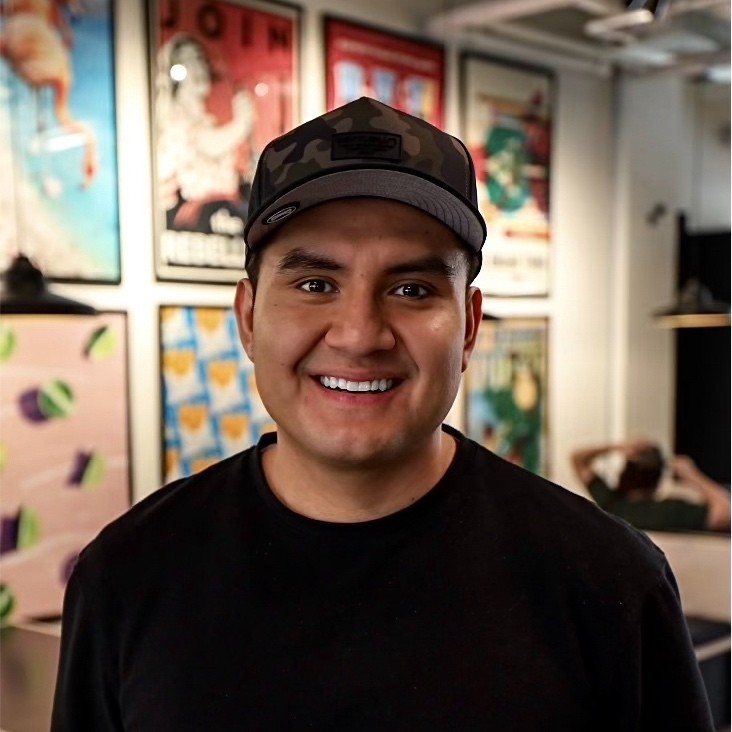
Rachit Kataria, Co-Founder and CEO of Centralize